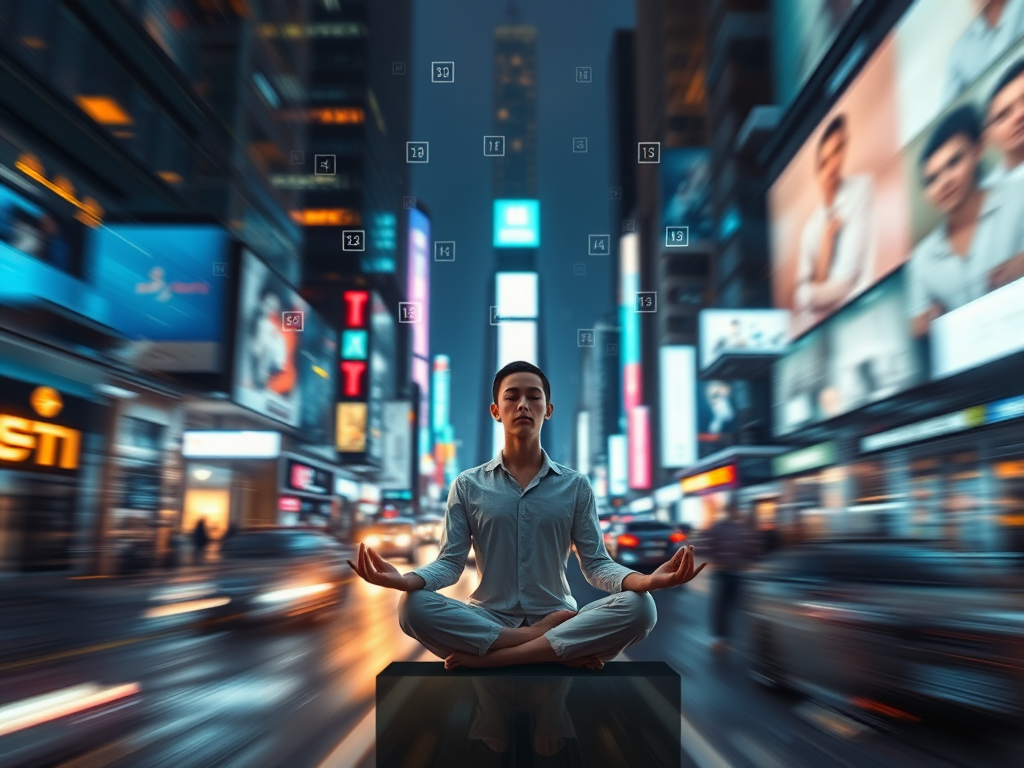
Do you ever notice how time seems to slip away faster than it used to? You’re not imagining it—numerous individuals are experiencing this phenomenon as days, weeks, and years fly by at an astonishing rate. While it may sound philosophical, science firmly supports this observation. Technology, especially our interaction with it and blue light exposure, significantly contributes to this accelerated perception of time.
The Technology-Time Connection
Technology has made our lives more convenient and fast-paced, but it has also changed how we perceive time. Social media, instant messaging, and 24/7 news cycles keep our brains constantly stimulated. When every moment is filled with scrolling, notifications, and digital interactions, our sense of time can become warped.
How Does This Work?
- Continuous Stimulation: Our brains measure time based on how much happens in a day. When we’re constantly consuming bite-sized information—like tweets, reels, and posts—it creates the illusion that more time has passed than actually has.
- Less Downtime: In the past, we had more moments of quiet reflection, like waiting in line or taking a walk without distractions. These pauses allowed us to process time naturally. With smartphones, those moments are filled with content, compressing our perception of time.
The Blue Light Factor
Blue light is a type of light emitted by screens—your phone, computer, TV, and even energy-efficient LED lighting. While it helps brighten our screens for better visibility, it also has some unintended consequences for our brain chemistry.
The Science Behind Blue Light
- Melatonin Suppression: Blue light exposure, especially at night, reduces melatonin production, the hormone responsible for regulating sleep. Poor sleep affects our brain’s ability to form memories and track time accurately.
- Cortisol Stimulation: Looking at screens triggers the release of cortisol, the stress hormone. Elevated cortisol levels heighten alertness but can also make time feel fragmented.
- Dopamine Hits: Every notification, like, or message you get from a screen gives your brain a small dopamine hit. These frequent bursts of pleasure reinforce the habit of constantly checking devices, leading to more blue light exposure and perpetuating the cycle.
Why Does This Make Time Feel Faster?
When our days are jam-packed with digital distractions, our brains have less time to fully encode memories. Without distinct memories of events, it can feel like time has passed in a blur. This phenomenon, known as “time compression,” is exacerbated by the constant stimulation of technology and its effect on our brain chemicals.
How to Slow Down Time
If you’re feeling like life is rushing by, here are a few strategies to regain control of your time perception:
- Limit Screen Time: Set specific times for checking emails, social media, and notifications. Reducing exposure can help your brain recalibrate.
- Block Blue Light: Use blue light-blocking glasses or enable “night mode” on your devices to minimize blue light exposure, especially in the evening.
- Prioritize Sleep: A consistent sleep schedule can restore melatonin levels and improve your sense of time.
- Create Memorable Moments: Make an effort to step away from screens and engage in activities that create meaningful memories, like spending time in nature, reading, or learning a new skill.
- Practice Mindfulness: Meditation and mindfulness exercises can help you become more present, reducing the feeling of time rushing by.
Final Thoughts
While technology has revolutionized the way we live, it’s exciting to consider its impact on our perception of time. By embracing the role of blue light and constant stimulation, we have the wonderful opportunity to make conscious choices that allow us to slow things down and truly savor each moment. Although time may seem to fly by, with a few mindful adjustments, you can regain control and make every day a joyful experience.
Discover more from
Subscribe to get the latest posts sent to your email.

Leave a comment