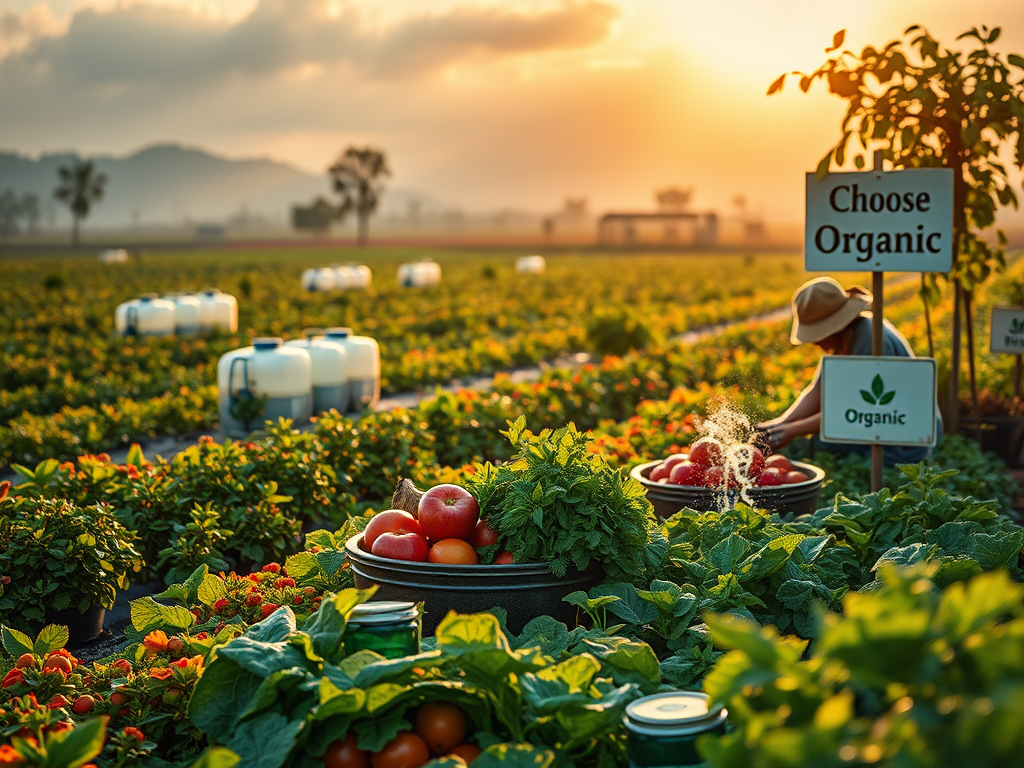
Pesticides have become a cornerstone of modern agriculture, ensuring bountiful harvests and reduced crop loss due to pests and diseases. However, the widespread use of these chemicals has raised significant concerns about their presence in our food supply and their potential effects on human health. This article delves into the science behind pesticides, their risks, and practical ways to minimize exposure.
Understanding Pesticides
Pesticides are substances used to eliminate or control pests that threaten agricultural productivity. They include insecticides, herbicides, fungicides, and rodenticides. While effective in safeguarding crops, these chemicals often leave residues on food that may persist through harvesting, processing, and even cooking.
According to the World Health Organization (WHO), chronic exposure to certain pesticides has been linked to serious health issues, including cancer, hormonal disruption, and developmental delays in children. A study published in JAMA Internal Medicine found that individuals consuming high-pesticide-residue foods had lower reproductive success compared to those consuming organic produce.
The Health Risks of Pesticides
- Endocrine Disruption 🧬: Pesticides like chlorpyrifos and atrazine can interfere with hormone function, potentially leading to reproductive issues and metabolic disorders.
- Neurological Effects 🧠: Organophosphates, a common class of pesticides, have been associated with developmental neurotoxicity, particularly in children.
- Cancer 🎗️: The International Agency for Research on Cancer (IARC) classified glyphosate, a widely used herbicide, as “probably carcinogenic to humans.”
- Immune System Suppression 🛡️: Persistent pesticide exposure may weaken the immune system, increasing susceptibility to infections and diseases.
How to Reduce Pesticide Exposure
- Choose Organic When Possible 🥦 Organic farming standards prohibit the use of synthetic pesticides. While organic produce is not completely pesticide-free, it typically contains significantly lower levels of harmful residues.
- Wash Your Produce 🚿 Washing fruits and vegetables under running water can remove some pesticide residues. Studies have shown that using a baking soda solution (one teaspoon of baking soda per two cups of water) is particularly effective for removing surface residues.
- Peel and Trim ✂️ Peeling fruits and vegetables and trimming fat from meat can help reduce pesticide exposure, as residues often concentrate in outer layers and fatty tissues.
- Diversify Your Diet 🍽️ Eating a variety of foods minimizes the risk of consuming excessive residues from any one item.
- Know the Dirty Dozen and Clean Fifteen 📜 The Environmental Working Group (EWG) publishes annual lists of produce with the highest and lowest pesticide residues. Prioritize organic options for items on the Dirty Dozen list.
A Step-by-Step Guide to Cleaning Foods
- Rinse Under Cold Water 🚿 Hold produce under running water and scrub gently to remove dirt and residues. For sturdier fruits and vegetables, use a brush.
- Use a Baking Soda Solution 🧂 Soak produce in a mixture of one teaspoon of baking soda per two cups of water for 12-15 minutes, then rinse thoroughly.
- Vinegar Rinse 🥤 Mix one part white vinegar with three parts water and soak produce for 10 minutes. This can help kill bacteria and remove residues.
- Dry Thoroughly 🌬️ Use a clean towel or paper towel to dry produce after washing to prevent microbial growth.
- Peel if Necessary ✂️ For fruits and vegetables with thick skins, peeling can remove the most pesticide-laden layer.
Detoxing Pesticides From Your Body
If you’re concerned about past exposure, consider these detox strategies:
- Increase Antioxidant Intake 🫐 Foods rich in antioxidants, such as berries, leafy greens, and nuts (if not allergic), help combat oxidative stress caused by pesticide exposure.
- Stay Hydrated 💧 Proper hydration supports the body’s natural detoxification processes, flushing out toxins through urine and sweat.
- Incorporate Probiotics 🥣 Probiotics found in fermented foods like yogurt, sauerkraut, and kimchi can support gut health, which plays a crucial role in toxin elimination.
- Consider Activated Charcoal ⚫ Activated charcoal can bind to certain toxins in the digestive tract, aiding their removal. Consult a healthcare provider before use.
- Exercise Regularly 🏃 Sweating through exercise helps expel toxins, including certain pesticide residues, via the skin.
Supplements to Reduce Pesticide Toxicity
- Glutathione 🌟 Known as the “master antioxidant,” glutathione supports the body’s detoxification processes and helps eliminate harmful toxins, including pesticides.
- N-acetylcysteine (NAC) 💊 A precursor to glutathione, NAC boosts antioxidant levels and protects against oxidative damage from pesticide exposure.
- Chlorella 🌿 This green algae binds to toxins and heavy metals in the body, aiding in their removal.
- Milk Thistle 🌾 Rich in silymarin, milk thistle supports liver health and enhances detoxification.
- Vitamin C 🍊 A powerful antioxidant that helps neutralize free radicals and supports the immune system in detoxifying the body.
- Fiber 🌾 Soluble fiber from foods like psyllium husk or supplements can bind toxins in the gut and aid their elimination.
Final Thoughts
The presence of pesticides in our food supply is a reality of modern agriculture, but it doesn’t have to compromise your health. By understanding the risks, making informed food choices, and adopting detox strategies, you can significantly reduce your pesticide exposure and safeguard your well-being. As consumers, advocating for stricter pesticide regulations and supporting sustainable farming practices can also drive meaningful change for future generations.
-Adam Niall
Discover more from
Subscribe to get the latest posts sent to your email.

Leave a comment