
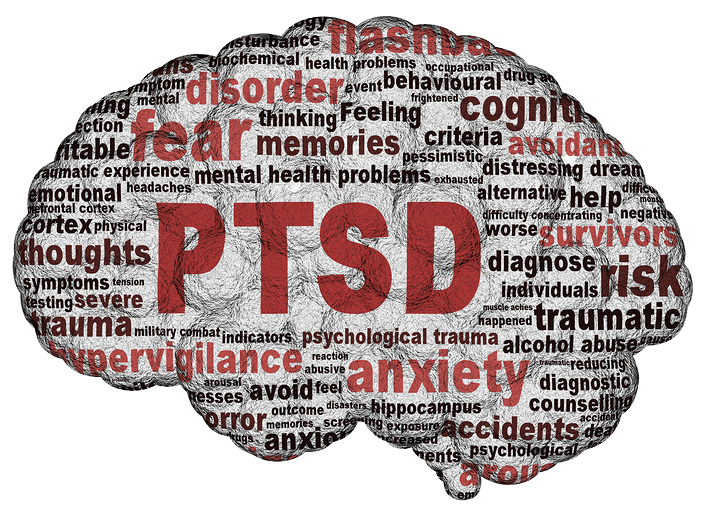
In the realm of psychology and neuroscience, the concept of flow state has captivated researchers and enthusiasts alike. Flow state, often referred to as being “in the zone,” describes a state of optimal performance and deep immersion in an activity. Simultaneously, the effects of trauma on mental health and well-being are undeniable. Surprisingly, recent studies have revealed a compelling connection between flow state, trauma, and the neurochemistry underlying both phenomena. In this article, we will explore the intricate relationship between these three elements and shed light on the profound implications for understanding human behavior and mental health.
Understanding Flow State:
Flow state, a term popularized by positive psychologist Mihaly Csikszentmihalyi, refers to a state of heightened focus and complete absorption in a task. During flow, individuals experience a sense of timelessness, effortless action, and increased satisfaction. Flow state is often characterized by a perfect balance between challenge and skill, leading to a harmonious merging of action and awareness. While flow can occur in various activities, such as sports, arts, or work, the underlying neural mechanisms remain consistent.
Neurochemistry of Flow State:
To comprehend the neurochemical basis of flow state, we must turn our attention to the intricate interplay of neurotransmitters and brain regions involved. Studies have revealed that flow is associated with the release of several key neurochemicals, including dopamine, endorphins, serotonin, and norepinephrine.
Dopamine, often linked to motivation and reward, plays a crucial role in initiating and sustaining flow state. It enhances focus, cognitive flexibility, and the feeling of intrinsic motivation. Similarly, endorphins, the brain’s natural painkillers, are released during flow, amplifying the sense of pleasure and reducing anxiety or discomfort. Serotonin, a neurotransmitter linked to mood regulation, contributes to the overall sense of well-being and contentment experienced during flow. Finally, norepinephrine, involved in arousal and attention, helps heighten focus and vigilance, allowing individuals to navigate challenges with heightened clarity.
The Impact of Trauma:
In contrast to the positive experiences of flow state, trauma represents a profoundly distressing event or series of events that overwhelms an individual’s capacity to cope. Traumatic experiences can manifest as physical or emotional abuse, accidents, combat, natural disasters, or other life-threatening situations. The consequences of trauma extend beyond the initial event, often resulting in long-lasting psychological and physiological effects.
Neurochemistry of Trauma:
Trauma has a profound impact on the neurochemistry of the brain, primarily affecting the hypothalamic-pituitary-adrenal (HPA) axis, which regulates the stress response. When exposed to trauma, the HPA axis triggers the release of stress hormones, particularly cortisol, which prepares the body for survival. Prolonged or chronic trauma can dysregulate this stress response system, leading to an overactive HPA axis and altered neurochemistry.
Studies have shown that trauma disrupts the delicate balance of neurotransmitters in the brain, including serotonin, dopamine, and norepinephrine. These imbalances often result in symptoms such as anxiety, depression, hypervigilance, and emotional dysregulation. Moreover, trauma can impair the prefrontal cortex, compromising executive functions such as decision-making, emotional regulation, and impulse control.
The Overlap: Trauma and Flow State:
While flow state and trauma may seem like polar opposites, their connection lies in the shared neurochemical pathways and brain regions they influence. Both flow state and trauma can modulate the release and reuptake of neurotransmitters like dopamine, serotonin, and norepinephrine, albeit with contrasting outcomes.
The Dopamine Connection:
Flow state promotes the release of dopamine, enhancing motivation, focus, and enjoyment. In contrast, trauma can lead to dysregulated dopamine function, resulting in reduced motivation, anhedonia (the inability to experience pleasure), and a heightened risk of developing mental health disorders such as depression.
The Serotonin Link:
Serotonin plays a crucial role in mood regulation and well-being. Flow state is associated with increased serotonin levels, contributing to a sense of contentment and happiness. Conversely, trauma can disrupt serotonin balance, leading to depressive symptoms, anxiety, and emotional instability.
The Norepinephrine Factor:
Norepinephrine is involved in arousal, attention, and focus. Flow state triggers the release of norepinephrine, enhancing concentration and cognitive performance. Trauma, on the other hand, can result in dysregulated norepinephrine levels, leading to hypervigilance, hyperarousal, and difficulties in focusing or maintaining attention.
The Complex Perception of Pleasure:
Pleasure, in its simplest definition, is the experience of positive emotions and sensations. From a neurochemical perspective, pleasure is associated with the release of various neurotransmitters, including dopamine, endorphins, and serotonin. These neurotransmitters play a crucial role in modulating our mood, motivation, and overall well-being.
The Intricacies of Trauma:
Trauma, on the other hand, represents a deeply distressing experience that overwhelms an individual’s ability to cope. While trauma is often associated with negative emotions, the brain’s response to trauma involves complex neurochemical processes that overlap with those involved in pleasure and reward. This overlap can lead to a confusing and sometimes paradoxical relationship between pleasure and trauma.
The Connection between Flow and Trauma:
Research has revealed that individuals who have experienced trauma may inadvertently seek out experiences that mimic aspects of their traumatic event. This phenomenon, known as reenactment or retraumatization, arises from the brain’s inability to differentiate between pleasure and trauma. It is hypothesized that the brain’s reward system, which is activated during pleasurable experiences, may also be activated during traumatic experiences.
In some cases, engaging in activities that induce flow state can unknowingly trigger memories or sensations associated with past trauma. This can lead to a complex interplay between pleasure, trauma, and reenactment. It is important to note that reenactment does not imply a conscious desire to relive the trauma but rather an unconscious response driven by neurochemical processes.
Healing Trauma through Flow State:
Given the shared neurochemical pathways, flow state can play a vital role in healing trauma and promoting resilience. Engaging in activities that induce flow, such as sports, art, or meditation, can help individuals reconnect with positive experiences and regulate their neurochemistry. Flow state provides a sanctuary from the distressing effects of trauma, enabling individuals to experience joy, regain a sense of control, and rebuild a positive relationship with their bodies and minds.
Furthermore, flow state activates the prefrontal cortex, a region of the brain responsible for executive functions such as decision-making and emotional regulation. By engaging the prefrontal cortex, flow state can potentially mitigate the emotional dysregulation often associated with trauma and promote adaptive coping strategies.
The profound connection between flow state, trauma, and the intricate neurochemistry underlying both phenomena offers a fascinating insight into the human mind. Understanding how the brain responds to pleasurable experiences and trauma can aid in developing effective interventions for healing and recovery. By harnessing the power of flow state, individuals can navigate the delicate balance between pleasure and trauma, facilitating personal growth, resilience, and a path toward a more fulfilling life. Continued research in this field will undoubtedly provide further insights into the relationship between flow and trauma, opening new avenues for understanding and supporting mental well-being.
For more check out my other sites!
Coaching- EarnItAllAcademy.com
IG- The_AdamNiall
Merchandise- EarnItAll.com
Discover more from
Subscribe to get the latest posts sent to your email.

Leave a comment