
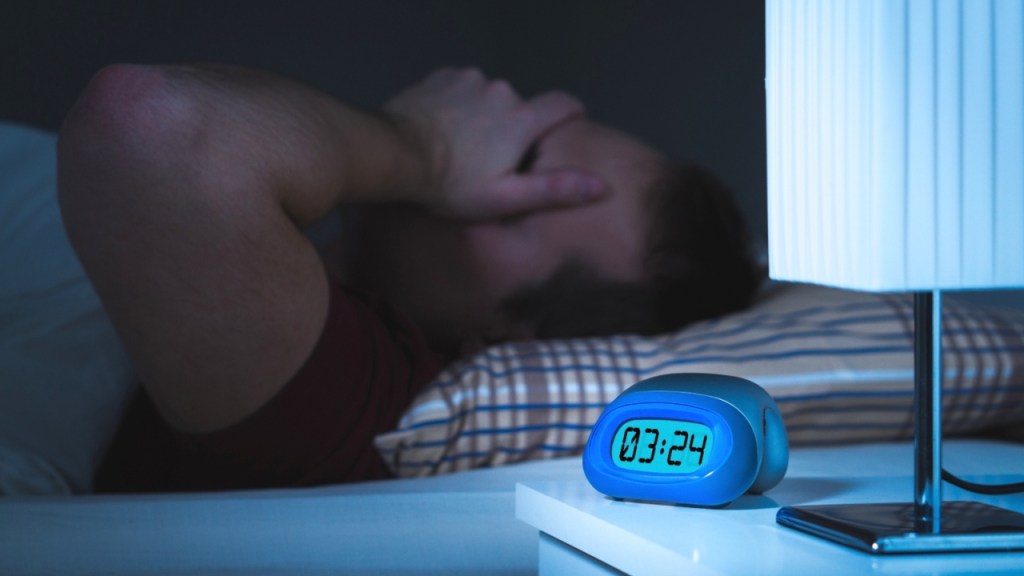
Sleep is a complex and vital physiological process that is essential for maintaining physical, cognitive, and emotional health. Optimal sleep duration and quality are crucial for supporting optimal functioning in various aspects of life. This article aims to shed light on the significance of sleep and elucidate the benefits associated with adequate sleep, as well as the detrimental effects of sleep deprivation.
Benefits of Optimal Sleep:
Cognitive Functioning:
Optimal sleep is intimately linked to cognitive performance, including attention, memory consolidation, learning, and problem-solving abilities. Sufficient sleep enhances attention span, information processing, and decision-making skills, leading to improved overall cognitive functioning.
Clearance of Amyloid Beta Plaque:
Recent studies have revealed a fascinating connection between sleep and the clearance of amyloid beta plaque, a hallmark of Alzheimer’s disease. During sleep, the glymphatic system becomes more active, facilitating the removal of toxic metabolic waste products, including amyloid beta, from the brain. Adequate sleep, especially deep sleep, supports this clearance process, potentially reducing the risk of developing neurodegenerative diseases.
Weight Management:
Optimal sleep duration and quality are essential for maintaining a healthy body weight. Sleep deprivation disrupts the balance of hormones involved in appetite regulation, leading to increased cravings for high-calorie foods and a higher risk of weight gain. Sufficient sleep promotes the regulation of hormones like leptin and ghrelin, supporting weight management and facilitating fat loss.
Emotional Well-being:
Sleep plays a crucial role in emotional regulation, mood stability, and stress resilience. Sufficient sleep enhances positive emotions, while sleep deprivation is associated with increased irritability, mood swings, and susceptibility to psychological disorders such as depression and anxiety.
Negative Effects of Sleep Deprivation:
Cognitive Impairment:
Chronic sleep deprivation impairs cognitive functions, such as attention, memory, creativity, and problem-solving abilities. Reduced alertness and vigilance also increase the risk of accidents and errors in various domains, including work and driving.
Increased Risk of Chronic Health Conditions:
Sleep deprivation is associated with an increased risk of developing chronic health conditions, including obesity, diabetes, cardiovascular diseases, and immune dysfunction. Prolonged sleep deprivation can disrupt the delicate balance of various physiological processes, leading to long-term health consequences.
Impaired Immune Function:
Adequate sleep is crucial for maintaining a robust immune system. Sleep deprivation weakens immune function, making individuals more susceptible to infections and reducing the effectiveness of vaccines.
Recommended Sleep Duration:
While individual sleep needs may vary, the general consensus among experts is that adults should aim for 7-9 hours of quality sleep per night. Adolescents and children require even more sleep due to their rapid growth and development. Regular sleep patterns, including consistent bedtimes and wake-up times, are also crucial for maintaining optimal sleep health.
Importance of REM Sleep for Muscle Recovery and Growth:
Rapid Eye Movement (REM) sleep, a stage characterized by heightened brain activity and vivid dreams, plays a vital role in muscle recovery and growth. During REM sleep, the brain releases growth hormone, which is essential for tissue repair and muscle recovery. Additionally, REM sleep is associated with the consolidation of motor skills and memory, contributing to enhanced athletic performance and skill acquisition.
Strategies for Optimizing Sleep:
Sleep Hygiene:
Maintaining good sleep hygiene practices can significantly improve the quality and duration of sleep. This includes creating a sleep-conducive environment, establishing a regular sleep schedule, avoiding stimulants close to bedtime, and engaging in relaxing activities before sleep.
Stress Management:
Chronic stress can disrupt sleep patterns and hinder the ability to fall asleep or stay asleep. Implementing stress management techniques such as mindfulness meditation, deep breathing exercises, or engaging in calming activities before bed can promote better sleep quality.
Regular Physical Activity:
Regular exercise has been shown to promote better sleep quality and duration. However, it is important to avoid intense exercise close to bedtime, as it can be stimulating and interfere with sleep initiation.
Limiting Electronic Device Use:
The blue light emitted by electronic devices such as smartphones, tablets, and computers can interfere with the body’s natural sleep-wake cycle. Minimizing exposure to electronic screens before bedtime or using blue light filters can help improve sleep quality.
Optimal sleep is an indispensable pillar of human health and well-being. Adequate sleep duration and quality contribute to cognitive functioning, emotional well-being, immune function, and overall physical health. Sleep deprivation, on the other hand, has detrimental effects on various aspects of human functioning, including cognitive performance, emotional regulation, and long-term health. By understanding the importance of optimal sleep and implementing strategies to prioritize and improve sleep habits, individuals can unlock the numerous benefits associated with a good night’s sleep.
Further research in the field of sleep science is necessary to unravel the intricate mechanisms underlying the relationship between sleep and various physiological processes. By continuing to investigate the fascinating connections between sleep, brain health, metabolism, and overall functioning, we can gain valuable insights to further enhance our understanding of sleep’s profound impact on human health and develop targeted interventions for sleep-related disorders and conditions. Prioritizing optimal sleep should be recognized as a fundamental component of a healthy lifestyle, benefiting individuals of all ages and across diverse populations.
For more check out my other pages!
IG @the_adamNiall
Merchandise-Earnitall.com
Coaching – Earnitallacademy.com
Discover more from
Subscribe to get the latest posts sent to your email.

Leave a comment