
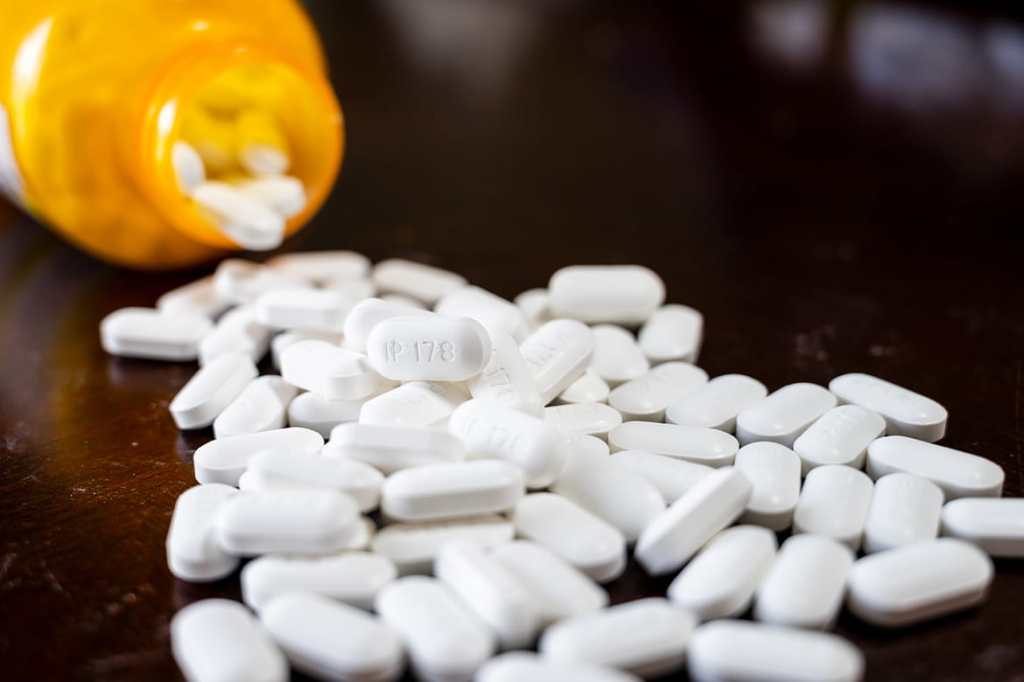
Metformin, a widely prescribed oral medication, has been the cornerstone of diabetes management for decades. Recent research has also shed light on its potential anti-aging properties, making it a subject of significant interest among scientists and healthcare professionals. This article aims to provide an overview of metformin, its uses for diabetes treatment, and the emerging evidence regarding its potential benefits for anti-aging.
- Metformin and Diabetes Treatment:
Metformin belongs to the class of medications known as biguanides and is primarily prescribed to manage type 2 diabetes mellitus. It acts by reducing hepatic glucose production, increasing insulin sensitivity, and improving glucose uptake in peripheral tissues.
1.1 Effects on Blood Glucose Control:
Numerous studies have demonstrated the effectiveness of metformin in reducing blood glucose levels in people with type 2 diabetes. A systematic review and meta-analysis published in The Lancet analyzed data from over 35,000 participants and found that metformin significantly lowered hemoglobin A1c (HbA1c) levels by an average of 1.12%. HbA1c is a marker of long-term blood glucose control.
1.2 Cardiovascular Benefits:
Beyond glycemic control, metformin has shown favorable effects on cardiovascular health. A study published in The New England Journal of Medicine reported that metformin reduced the risk of cardiovascular events and mortality in individuals with diabetes, showing a 39% reduction in all-cause mortality compared to other oral antidiabetic drugs.
- Metformin and Anti-Aging:
Emerging research suggests that metformin may possess anti-aging properties, potentially extending healthy lifespan and reducing age-related diseases. These effects are primarily attributed to metformin’s ability to modulate various cellular pathways associated with aging.
2.1 Targeting Aging Mechanisms:
Metformin has been shown to activate AMP-activated protein kinase (AMPK), a cellular energy sensor that regulates metabolism. AMPK activation promotes mitochondrial biogenesis, enhances insulin sensitivity, and suppresses pro-inflammatory signaling pathways, all of which play significant roles in the aging process.
2.2 Animal Studies:
Several animal studies have demonstrated the potential anti-aging effects of metformin. For instance, a study published in Cell Metabolism showed that metformin extended the lifespan of mice by 5%, equivalent to an approximate 3 to 4-year increase in human lifespan. Another study in the same journal reported that metformin improved the healthspan of mice, delaying the onset of age-related diseases.
2.3 Human Studies:
Although human studies investigating the anti-aging effects of metformin are limited, ongoing clinical trials are exploring its potential. The Targeting Aging with Metformin (TAME) study, a multi-site clinical trial involving over 3,000 participants, aims to determine if metformin can delay the onset of age-related diseases and extend healthspan. Results from this trial are eagerly awaited.
Metformin has long been established as an effective medication for managing type 2 diabetes. However, the emerging evidence regarding its potential anti-aging properties has generated considerable interest. Animal studies have shown promising results, and ongoing human trials, such as the TAME study, will provide further insights into metformin’s role in aging. It is important to note that metformin should only be used under medical supervision and after consulting with a healthcare professional.
Sources:
- Davies MJ, et al. “Effectiveness of metformin in the primary care setting: a retrospective cohort study.” The Lancet. 2018;391(10115):2328-2337.
Discover more from
Subscribe to get the latest posts sent to your email.

Leave a comment